The Stotram’s Origin
Sacred Origins
A visual journey through Adi Shankaracharya’s life, devotion, and timeless hymn.
KANAKADHARA MAHALAKSHMI TEMPLE stands as a monument of historical importance at the exact place where the divine manifestation of Mahalakshmi in response to Adi Shankara’s prayers took place. The event occurred at the location popularly known as Swarnathu Mana (also Punnorkode Mana) in Punnorkode, Pazhamthottam, situated 16 km from Aluva and 23 km from Kaladi, which clearly preserves the historical presence of gold from the episode.
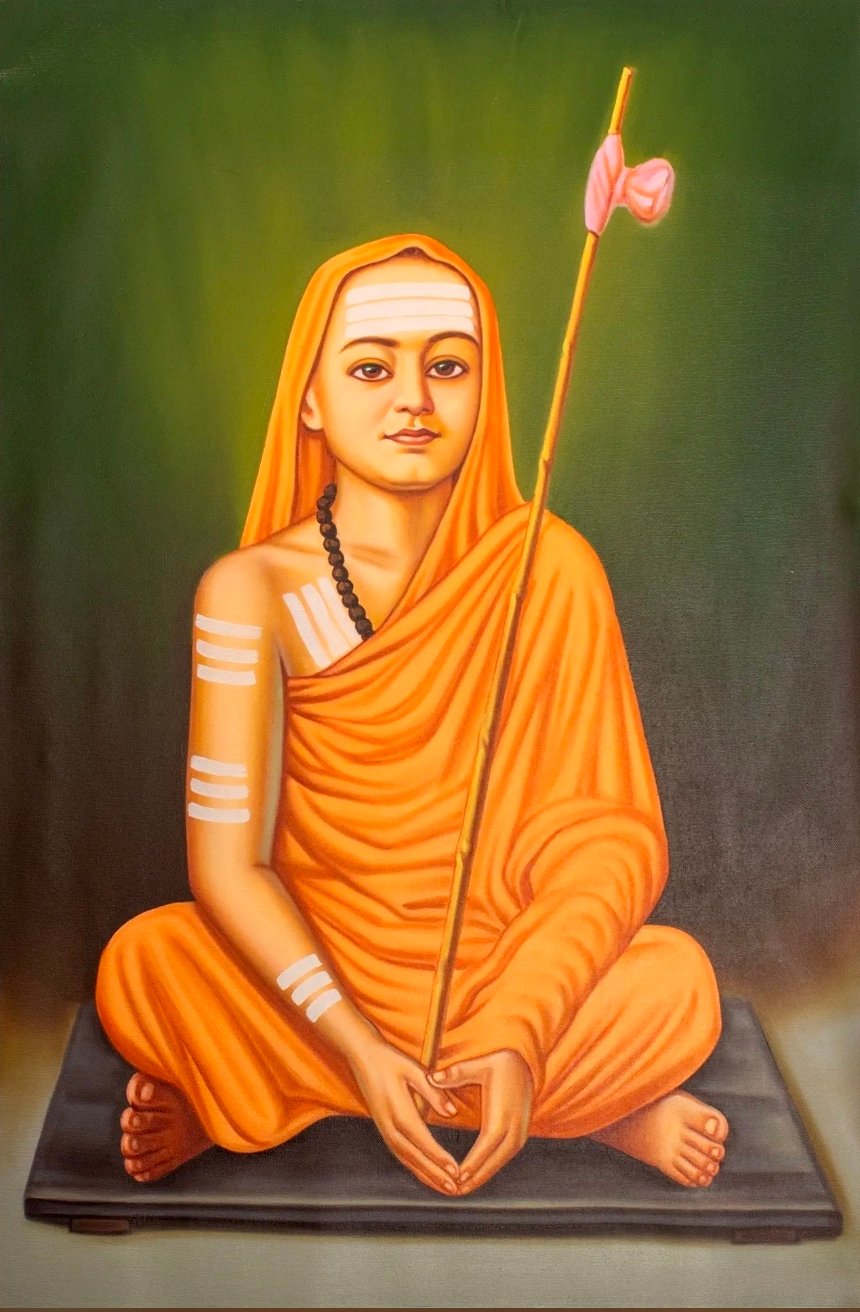
LEGEND: As was the practice in the days of Gurukulam, young Shankara went door-to-door seeking alms (Biksha) from householders. As a five-year-old child, he approached the cottage of an extremely pious but impoverished woman. Despite having nothing, she searched her home and found a single, dried gooseberry (amla)—her sole possession kept for her daily fast (Parana). Deeply moved by her unconditional sacrifice and pure devotion, Shankara stood calmly, accepted the humble offering, and immediately chanted a soulful prayer to Goddess Mahalakshmi.
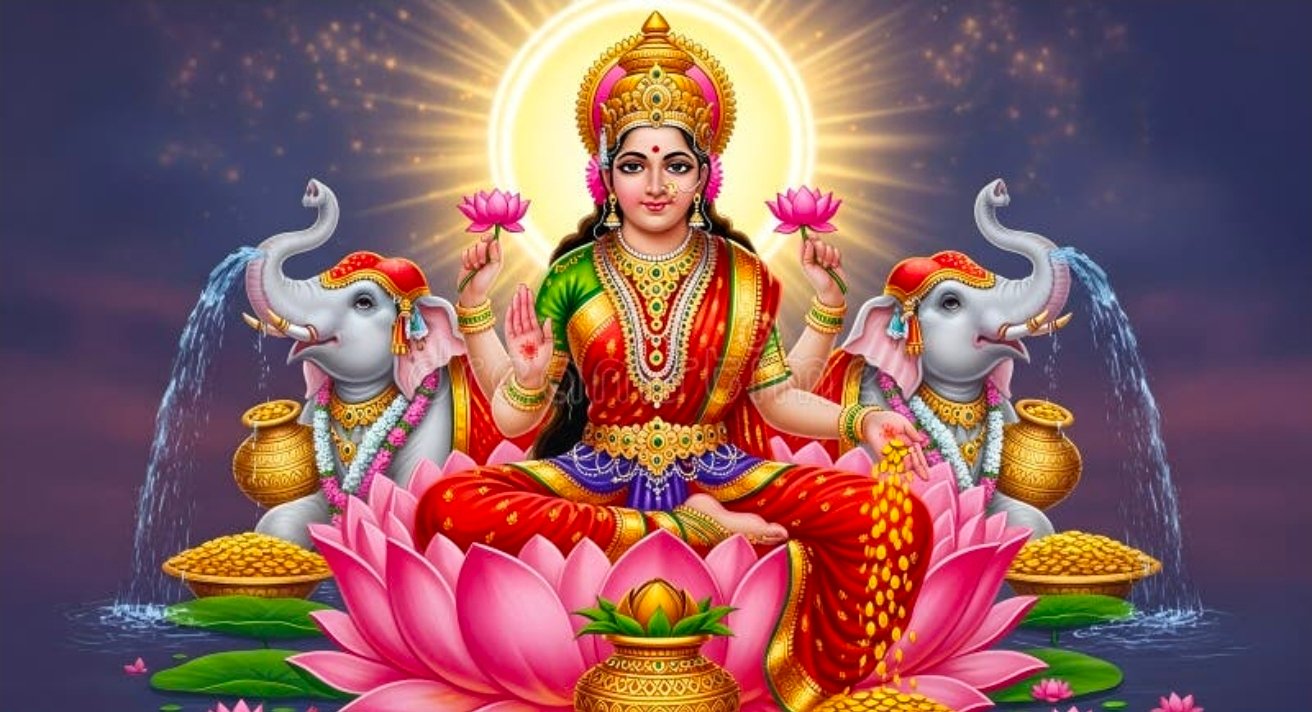
Moved by the devotee’s supreme sacrifice and the Acharya’s heartfelt appeal, the Goddess manifested and showered an abundance of pure golden gooseberry fruits, permanently eradicating the household’s poverty. In memory of this miraculous event, the hymn came to be known as the Kanakadhara Stotram.